Coming this Fall, November 1, 2026, Foxcatcher: The Forgotten 5 emerges as a powerful new short film documentary.
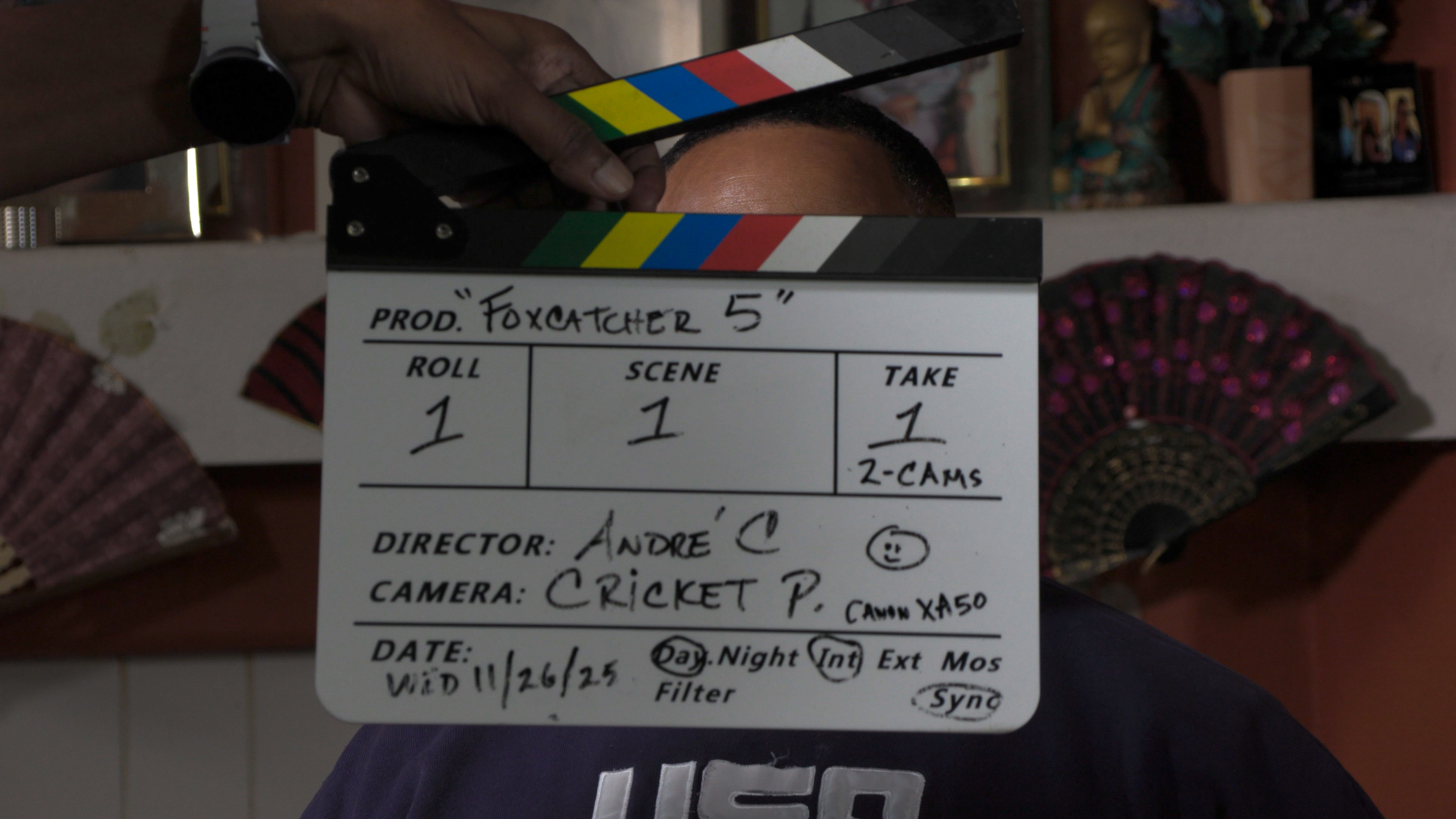
The story of the “Forgotten 5”—the African American wrestlers who trained at Foxcatcher Ranch—was whitewashed from both the feature film Foxcatcher and its official documentary Team Foxcatcher. In truth, 5 Black athletes were integral members of Team Foxcatcher until John du Pont abruptly expelled them, citing being BLACK as the sole reason. Their removal led to a lawsuit, and their legacy was quietly pushed out of the public narrative.
Then later on, du Pont murdered Olympic champion Dave Schultz. This year is the 30th anniversary of that brutal murder. One of the Forgotten 5 was on his way to secretly train with Schultz that very day, as he had done the day before, and Divine Intervention allowed him to narrowly avoid the tragedy that reshaped the wrestling world and exposed the darkness behind Foxcatcher’s myth.

This film restores the missing chapter—an untold story of exclusion, survival, and the athlete who lived to tell it. And this is his story.
At its core, the film exposes the erasure of the “Forgotten 5” — the group of Black wrestlers expelled from Foxcatcher due to du Pont’s racism and later omitted from mainstream accounts of the story. By restoring their place in the narrative, the documentary reframes a tale of systemic injustice and loss into one of endurance, reclamation, and profound personal resilience.
Dr. Robert Sylvester Pritchett Jr. — a former Team Foxcatcher athlete and competitive wrestler — offers a rare firsthand account of the racial discrimination and tragic events that unfolded at Foxcatcher Farms. He recounts his time training under the increasingly unstable sponsorship of John du Pont, whose paranoia ultimately led to the murder of Olympic champion Dave Schultz.
Central to Pritchett’s testimony is the systemic exclusion of Black wrestlers he calls the “Forgotten 5.” These athletes were abruptly removed from the team after du Pont, owner of the Foxcatcher Ranch and its wrestling facility, claimed that the color black symbolized death. Their erasure continued in mainstream media coverage and in the feature film Foxcatcher, leaving a critical part of the story untold.

Pritchett also reflects on the moment he believes divine intervention saved his life — sudden car trouble that kept him from arriving at the farm on the day of the shooting. He discusses the legal settlement that followed and the decade of enforced silence that kept this history hidden.
Ultimately, the documentary restores the missing racial narrative, highlighting Pritchett’s resilience and his later transition into a career centered on education and mentorship.
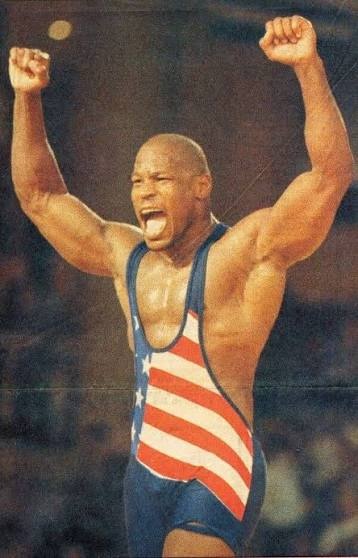
Kevin Andre Jackson is a retired American freestyle and folkstyle wrestler and former mixed‑martial‑arts competitor. Following his competitive career, he transitioned into coaching, becoming a respected figure in the wrestling community.
In this documentary, Jackson reflects on his tenure with Team Foxcatcher and the complicated legacy of its benefactor, John du Pont. He recounts how du Pont’s early financial support brought unprecedented stability to USA Wrestling, only for the environment to deteriorate as du Pont descended into paranoid schizophrenia, racial discrimination, and ultimately the tragic murder of Dave Schultz.
Jackson underscores the absence of institutional accountability from wrestling’s governing bodies, particularly regarding the mistreatment of Black athletes who were systematically pushed out of the program. His testimony serves as a historical record of the psychological toll and downward spiral triggered by du Pont’s actions, while honoring the resilience, loyalty, and character of the teammates and friends who endured that era alongside him.
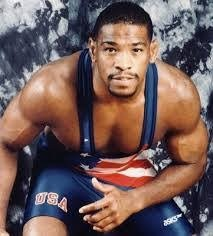
Kenny Dale Monday is a former American folkstyle and freestyle wrestler, a three‑time Olympian, and an Olympic gold medalist. He now serves as the head coach of Morgan State University’s wrestling program, continuing his legacy as one of the sport’s most respected figures.
In the documentary, Monday reflects on his time with the infamous Team Foxcatcher. He recounts the complicated dynamic between himself, his longtime rival and friend Dave Schultz, and the team’s eccentric benefactor John du Pont, whose early financial support for USA Wrestling eventually devolved into unstable and dangerous behavior.
A central theme of Monday’s testimony is the racial and personal exclusion that unfolded at the Foxcatcher estate—particularly du Pont’s abrupt removal of Black athletes during a critical training period leading up to the 1996 Olympic Games. Monday emphasizes how du Pont leveraged his wealth and influence to manipulate the wrestling community, creating an environment marked by fear, instability, and discrimination before ultimately murdering Schultz.
Ultimately, Monday seeks to illuminate this overlooked dimension of the Foxcatcher tragedy, honoring the athletes who endured it and ensuring that the full truth—including its racial implications—is finally acknowledged.

